




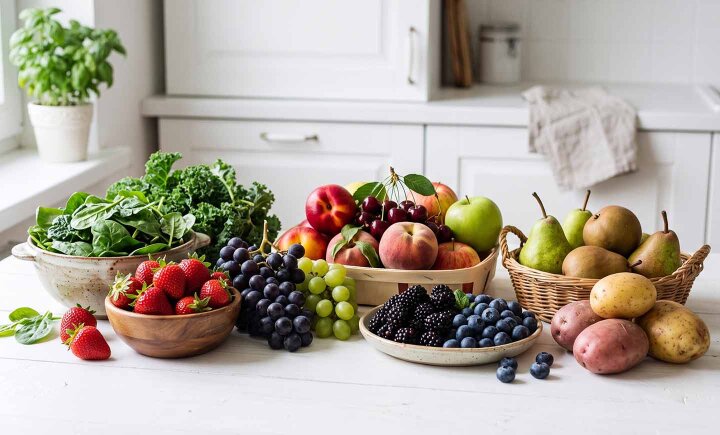
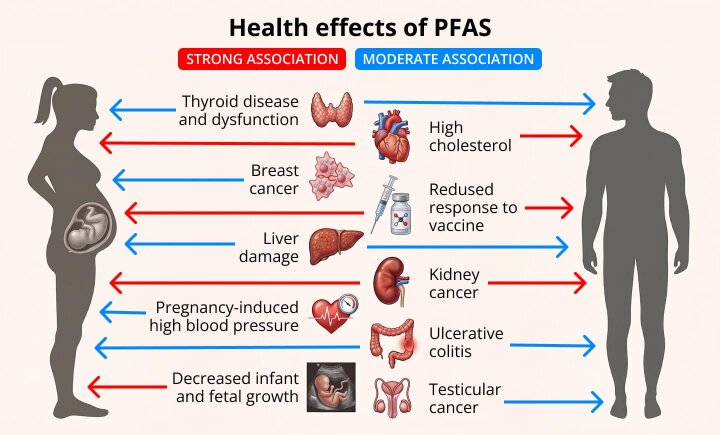
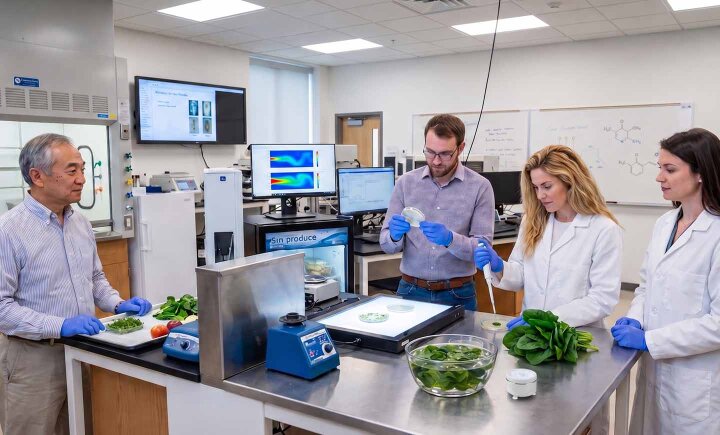
Summary: The 2026 EWG Shopper’s Guide to Pesticides in Produce analyzed USDA testing data from 54,344 samples of 47 fruits and vegetables. About 3 out of every 4 non-organic samples had pesticide residues – and pesticides EWG classifies as PFAS appeared frequently on some of the produce tested. Most of us have the same routine when we get home from the grocery store. Rinse the strawberries. Run the grapes under the faucet. Rub an apple under water for a few seconds. Once it looks clean, it feels clean. But EWG’s 2026 analysis of USDA testing data paints a more complicated picture. According to EWG’s 2026 findings, pesticide residues were detected on roughly 75% of conventionally grown – or non-organic – produce samples. And this wasn’t a tiny study. EWG analyzed results from 54,344 USDA samples covering 47 different fruits and vegetables. There’s another important detail. As CNN reported, the USDA prepares produce before testing in ways meant to reflect how people typically eat it. Depending on the food, samples may be washed, scrubbed, peeled, or otherwise prepared first. Even after that preparation, testing identified 264 different pesticides and pesticide breakdown products across the full dataset. That does not mean every apple, strawberry, or bunch of grapes contains 264 pesticides. It means that across tens of thousands of tested samples, pesticide residues remained common – even after the kinds of preparation people normally use at home. And some everyday foods stood out much more than others. The overall 75% figure is only part of the story. Every year, EWG also publishes its familiar “Dirty Dozen” – the 12 produce categories with the highest pesticide findings under its ranking system. For 2026, the Dirty Dozen includes: Spinach, kale and other leafy greens, strawberries, grapes, nectarines, peaches, cherries, apples, blackberries, pears, potatoes, and blueberries. These aren’t obscure foods most people rarely eat. They’re the berries packed into school lunches, the grapes sitting on the kitchen counter, the spinach blended into smoothies, and the apples grabbed for an afternoon snack. And among these foods, EWG’s numbers climbed sharply. As Food Safety Magazine reported, 96% of Dirty Dozen samples contained pesticide residues. Across those 12 categories, testing detected 203 different pesticides. And except for potatoes, every Dirty Dozen category had an average of four or more pesticides detected on a single sample. Spinach ranked #1 in 2026, with EWG reporting more pesticide residue by weight than any other produce category in its analysis. But another part of the report attracted particular attention. PFAS are commonly referred to as “forever chemicals” because many chemicals in this broad family break down very slowly and can persist in the environment for years. But PFAS are not all the same. And detecting a chemical classified as a forever chemical does not automatically mean a particular food is dangerous. Scientists are still studying how different PFAS affect people at different exposure levels. According to the U.S. Environmental Protection Agency, exposure to certain forever chemicals at certain levels has been associated with changes in immune response, hormone function, reproduction and development, cholesterol levels, and the risk of some cancers. What stood out in EWG’s 2026 findings was how often pesticides it classifies as PFAS appeared on some produce. EWG reported that they were detected on 63% of Dirty Dozen samples – a finding highlighted in both CNN’s coverage and Food & Wine’s report. One pesticide in that category, fludioxonil, was the most frequently detected pesticide in EWG’s full dataset. According to EWG’s 2026 report, it appeared on around 14% of all produce samples and on nearly 90% of peaches and plums. Those numbers are worth paying attention to. But they also need context. Finding a pesticide residue does not automatically mean the amount found poses a health risk. Food Safety News also reported criticism of EWG’s interpretation. Produce and farming groups pointed out that more than 99% of USDA-tested produce was below EPA pesticide-residue limits. At the same time, nutrition experts interviewed by Health.com stressed that eating plenty of fruits and vegetables – whether conventional or organic – remains more important than avoiding produce because of pesticide concerns. So the takeaway isn’t that the strawberries in your refrigerator are “poisonous.” It’s much simpler: Pesticide residues are common, some can remain after normal preparation, and washing your produce is still an important first step. The FDA recommends washing fresh fruits and vegetables thoroughly under running water. It does not recommend using soap or detergent. But the USDA data analyzed by EWG also shows why some shoppers may want to go beyond a quick rinse: Residues were still detected after produce had been washed, scrubbed, peeled, or otherwise prepared before testing. That leaves a practical question: if you want to go beyond a quick rinse, what other options are there? Electrolysis-based water treatment isn’t a new idea. It has been studied for years in food processing and produce handling, including for reducing pesticide residues, controlling microbes, and helping produce stay fresh longer. A scientific review indexed by PubMed examined research into electrolyzed-water treatments and their use on fresh fruits and vegetables. The basic idea is simple: An electrical process changes the water and creates reactive compounds that can interact with pesticide residues and surface contaminants. That same basic approach is now being adapted for everyday use at home. PuriEasy puts an electrolysis-based cleaning system into a compact device made for everyday use at home. But PuriEasy also adds something else – active spinning water circulation. While the OH-ion electrolysis system is working, the built-in rotating system keeps water moving around your fruits and vegetables. That helps the cleaning action reach more of the food’s surface than a motionless soak. So rather than rinsing for a few seconds or leaving produce sitting in a bowl of still water, PuriEasy combines: OH-ion electrolysis + continuous rotating water flow + a simple five-minute cleaning cycle. Put your fruits and vegetables in water, drop in PuriEasy, press the button, and let the cycle run. Once the cycle is finished, give your produce a final rinse, and it’s ready to eat, cook, or store. A more thorough clean – helps remove pesticide residues and reduce bacteria that a quick rinse may leave behind More peace of mind at mealtimes – especially when serving berries, leafy greens, and other produce your family eats every day Produce that stays fresh longer – helps extend freshness by 3–5 days, so less food ends up going soft or being thrown away Less food waste – longer-lasting fruits and vegetables can mean fewer spoiled groceries and fewer unnecessary trips to the store No added cleaning chemicals – just water, with no soap, vinegar, salt, or bottled produce wash left on your food An easier produce-cleaning routine – one button and about five minutes instead of scrubbing, soaking, or mixing homemade washes A cleaner for almost everything you bring home – gentle enough for berries and leafy greens, but versatile enough for apples, potatoes, herbs, and more ⭐⭐⭐⭐⭐ What can I use PuriEasy on? Do I need to add anything to the water? How long does it take? Is the whole device waterproof? Does it need to stay plugged in while I use it? PuriEasy is available directly through the official PuriEasy online store. Right now, readers coming through this article can get up to 70% OFF the regular price. Ordering directly means you get: The original PuriEasy – not a lookalike or imitation Exclusive discounts – available as long as the stock lasts 30-Day Money-Back Guarantee – try PuriEasy at home and, if you’re not satisfied, return it under the company’s refund policy If PuriEasy is still showing as available when you visit the official store, the current offer can still be claimed. EWG’s 2026 findings don’t mean you should stop eating fruits and vegetables. They do show that pesticide residues are widespread – and some can remain even after normal preparation. About 75% of non-organic samples had detectable residues, rising to 96% among the Dirty Dozen, with PFAS pesticides also appearing frequently. For many shoppers, that’s enough reason to take one extra step before serving fresh produce. If you want to do more than give your produce a quick rinse, PuriEasy is an easy addition to your routine. It uses OH-ion electrolysis and active water circulation to clean fruits and vegetables in about five minutes, with nothing added to the water. Just place it in the bowl, press the button, and let it run. As of September 13, 2026 — Following widespread coverage of EWG’s 2026 Shopper’s Guide and growing concern around pesticide residues on everyday produce, interest in more thorough at-home produce cleaning has continued to grow. PuriEasy is currently offering new customers up to 70% off for a limited time.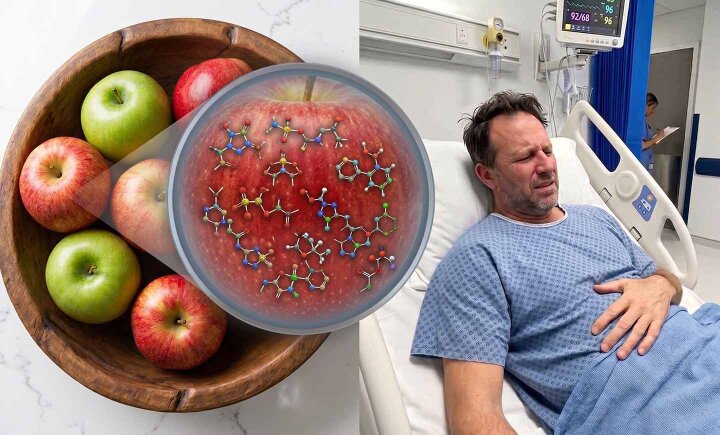
For These 12 Everyday Foods, The Numbers Were Even Higher
The Researchers Found Something Else – PFAS Pesticides
You Don’t Need To Stop Eating Produce – But A Quick Rinse May Not Be The Whole Story
There’s Another Way To Clean Produce, And It’s Been Studied For Years
Meet PuriEasy: A Smarter Way To Clean Produce At Home
Using it takes about five minutes.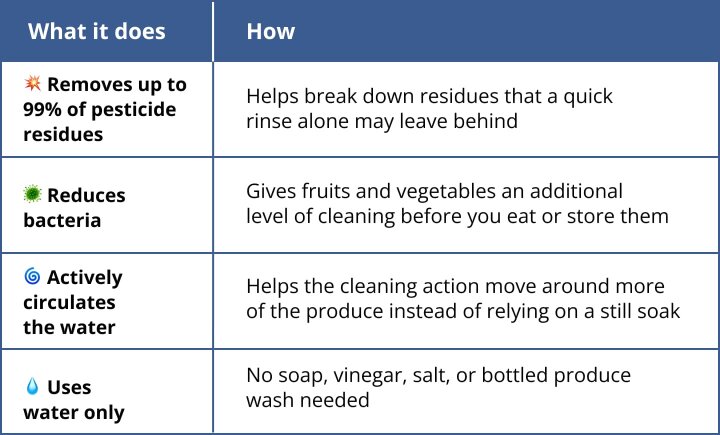
The Benefits Go Beyond A Cleaner Apple
Why PuriEasy Users Keep Reaching For It
“I started using it after my youngest was diagnosed with a gut sensitivity that made foodborne bacteria genuinely dangerous for her. I’d been buying organic and still worrying. With this, I actually feel like I’m doing something that works. The water turns visibly murky within two minutes — which tells you everything you need to know about what was on the produce before.”
— Michelle T., Portland OR
⭐⭐⭐⭐⭐
“My mother is 74 and went through chemotherapy last year. Her immune system is still rebuilding. Her oncologist specifically warned us about produce contamination. This device gave us back confidence at mealtimes. She uses it every single day.”
— David R., Austin TX
⭐⭐⭐⭐⭐
“I’ll be honest — I was skeptical. Then I did a side-by-side test: same strawberries, same bowl, with and without the device. The water in the device bowl was grey. The plain water bowl was still clear. That was enough for me. It’s been on my counter for four months.”
— Sarah K., Chicago ILA Few Things You’ll Probably Want To Know First
Berries, grapes, leafy greens, apples, peaches, tomatoes, potatoes, carrots, herbs, and other everyday produce.
No, just water. There’s no need for soap, vinegar, salt, or bottled produce wash.
About five minutes. Press the button and let the cycle run.
Yes. PuriEasy is IPX7 waterproof and fully submersible.
No. PuriEasy is cordless and rechargeable.Where To Get The Original PuriEasy?
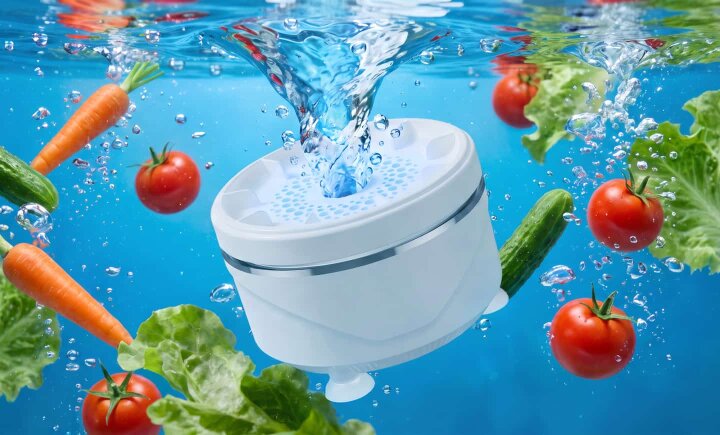
The Bottom Line For Your Kitchen
Customer Ratings
Average based on 9,803 reviews
 Excellent


Started using PuriEasy three weeks ago. Filled the bowl with water, ran it over some grapes, and the water turned grey within two minutes. I've been rinsing fruit my whole life thinking it was clean. Never again.